Scientific Symposium Québec
The Bromont National Cycling Center is proud to host, in partnership with Science and Cycling, the Scientific Symposium Québec.
Held during the week of the Montreal 2026 Road World Championships week, this conference day will be dedicated to performance in cycling, bringing together international researchers, coaches, and experts to share their insights. The event will feature lectures, panel discussions, and interactive workshops, offering a unique opportunity to explore the latest scientific and technological advancements in cycling.
This symposium is made possible thanks to financial support from the Government of Quebec, SASSI, and the University of Sherbrooke.

12h40 – Lunch
13h40 – Presentations resume
17h55 – Presentations end
18h00 – Cocktail
Main stage – Velodrome
Opening statement – 9h00 to 9h20
Session 1 – 9h20 to 10h50
9h20 – Vanessa Zoras & Chris Rozdilsky
9h50 – Myriam Paquette & Francois Raymond
10h20 – Bent Ronnestad
10h50 – Coffee break
Session 2 – 11h05 to 12h40
11h05 – Frederic Grappe
11h35 – Benjamin Pageaux
12h00 – Hillka Kontro
12h20 – Jules Cusson-Fradet
12h40 – Lunch break
Session 4 – 13h40 to 15h40
13h40 – Richard Ferguson
14h10 – Robert Moskovitch
14h30 – Paul-Antoine Girard & Lieselot Decroix
15h40 – Arnar Larusson
15h10 – Panel/discussion ( A. Larusson, R. Moskovitch, P-A Girard, L. Decroix)
15h40 – Coffee break
Session 5 – 15h55 to 17h55
15h55 – Jonathan Tremblay & Jeremy Briand
16h25 – Stephen Cheung
16h55 – Anthony Dumais
17h15 – Markus Rummel
17h35 – Antoine Groleau & Maelli Fernandez-Gendron
Multipurpose Room
Session 3 – 11h35 to 12h40
11h35 – Veronica Furno
12h00 – Peneloppe Paradis-Deschenes
12h20 – Laura Girard-Cote
Session 6 – 16h45 to 17h50
16h45 – Erick Auger
17h15 – Delphine Perie
17h35 – James Sadauckas
*Schedule subject to change
**The presentations are offered in English only.
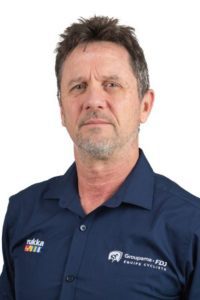 |
Frédéric GrappeFrederic Grappe is Director of Innovations and Performance for the Groupama FDJ UNITED professional cycling team and a distinguished sports science researcher with over two decades of experience in the cycling industry and sports science. He holds a PhD and HDR, working as a university lecturer-researcher on secondment. Frédéric has authored 5 university textbooks, published 75 articles in international scientific journals, and supervised 10 PhD theses. He bridges academic rigor with practical sports performance, combining deep scientific knowledge with cutting-edge technology to advance professional cycling performance. Topic covered: |
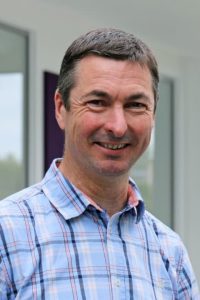 |
Richard FergusonRichard is a Reader in Human and Exercise Physiology. He has broad research interests, with a particular focus on human performance and developing a greater understanding of the underpinning mechanisms of training adaptation. Richard has a specific interest in the effects of blood flow restricted (BFR) exercise on skeletal muscle adaptations and performance. Current work is also investigating the physiological and skeletal muscle morphological determinants of the power-duration relationship and how it relates to cycling performance. Topic covered: |
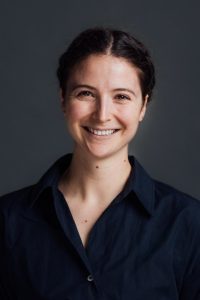 |
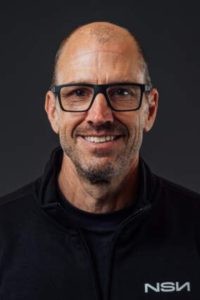
Vanessa ZorasVanessa Zoras, RD, MSc, is Head of Nutrition for the UCI WorldTour team NSN Cycling, where she leads high-performance nutrition strategy and athlete support. She has nearly a decade of experience working across para and able-bodied high-performance programs in multiple sport disciplines. Vanessa earned her MSc from the University of Victoria in 2025, focusing on Relative Energy Deficiency in Sport (REDs), and is currently pursuing a PhD investigating carbohydrate fueling strategies to optimize elite endurance performance. In 2025, she supported athletes at the UCI Road World Championships in Rwanda. Topic covered (with Chris Rozdilsky): |
 |
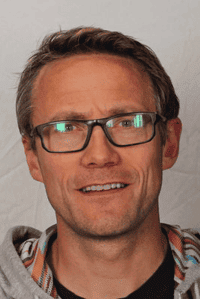
Chris RozdilskyChris Rozdilsky is an elite endurance coach and exercise physiologist with more than 20 years of experience working with professional and Olympic-level athletes. He currently supports high-performance cycling programs including the UCI WorldTour team NSN Cycling. Chris holds a Master’s degree in Exercise Physiology and Human Performance and specializes in long-term athlete development for elite endurance performance. He has coached Magdeleine Vallieres, the current Elite Women’s Road Race World Champion, since she was a first-year junior. Topic covered (with Vanessa Zoras): |
 |
Bent RonnestadBent is a Professor at the Section for Health and Exercise Physiology, Inland Norway University of Applied Sciences (Norway). Since June 2025 he has had a part time position in the Road Cycling team Pinarello–Q36.5 Pro Cycling Team as Head of Exercise Physiology. Prof. Rønnestad has published ~150 peer reviewed articles and book chapters. Key contributions include advancing the understanding of interval training, heat training, training periodization and impact of strength training on endurance performance. Topic covered : |
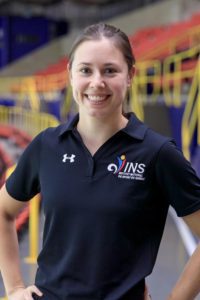 |
Myriam PaquetteMyriam Paquette holds a doctorate in exercise physiology. Myriam has been a sports physiologist at INS Québec since 2015, where she has worked primarily with the para-swimming, para-cycling, and canoe-kayak teams. Since 2017, she has been the physiologist and lead of the integrated support team for the national para-cycling team. Her research focuses on interval training, muscle oxygenation, and the specific physiological characteristics of Paralympic athletes. She is constantly seeking to deepen her understanding of athletes’ physiological profiles and to better document their responses to various training stimuli. Topic covered (with François Raymond): |
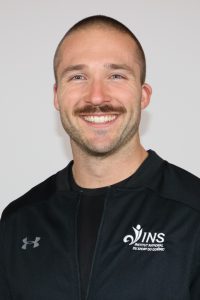 |
François RaymondFrançois Raymond, who holds a master’s degree in kinesiology, has been a strength and conditioning coach at INS Québec since 2014. In addition to his work in physical conditioning, he also undertakes training and knowledge dissemination mandates related to the science of training. Currently responsible for supporting the Canadian para-cycling and boxing teams, François has lent his expertise to a wide range of sports over the past decade: mountain and road cycling, para-swimming, canoe-kayak, judo, and goalball. Throughout these roles, he has distinguished himself through his focus on individualized training, the importance he places on interpersonal relationships, and the cohesion of the multidisciplinary teams he works with. Competition and performance remain part of his daily life in sports, though he can’t imagine competing with the athletes he has the pleasure of coaching! Topic covered (with Myriam Paquette): |
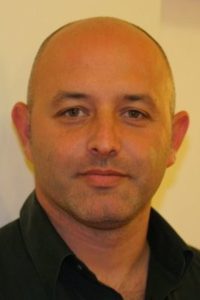 |
Robert MoskovitchRobert Moskovitch is a faculty member of Computer and Information Science at Ben Gurion University of the Negev (BGU), Israel, where he directs the Complex Data Analytics Lab and serves as the Vice Dean for Industry and International Relations. He is also an adjunct faculty member at the Department of Population Health Science and Policy at Ichan Medical School at Mount Sinai, NYC, USA. Before his postdoc fellowship at the Department of Biomedical Informatics at Columbia University in NYC, he headed several R&D projects in Information Security at the Deutsche Telekom Innovation Laboratories. He is an Associate Editor at the ACM Transactions on Knowledge Discovery from Data (TKDD) journal, Big Data journal, and was Academic Editor at PLOS ONE. He is also on the editorial board of the Journal of Biomedical Topic covered: |
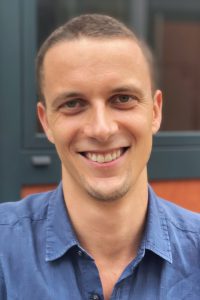 |
Paul-Antoine GirardPaul-Antoine Girard is the CEO and co-founder of Vekta, where he is shaping the future of AI in endurance training and coaching platforms. Vekta collaborates with multiple WorldTour teams, including Lidl – Trek, Decathlon CMA CGM Team, and FDJ United – SUEZ. A former high-level cross-country skier, Paul-Antoine has a background in mathematics, economics, and data science. Originally from France, he studied at Paris Dauphine University before completing an MSc in Data Science for Business at HEC Paris and École Polytechnique. In 2020, he was a founding Machine Learning Engineer at SeeYou.ai, a New York-based startup developing AI solutions for personalized skincare. Topic covered (with Lieselot Decroix): |
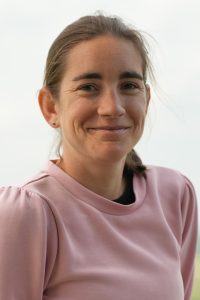 |
Lieselot DecroixLieselot Decroix is performance director at FDJ-UNITED SUEZ, one of the best female cycling teams in the world. In this role, she focuses on optimizing athletes performance, health and recovery in an evidence-informed way and oversees the performance structure. She is a former professional cyclist herself, who represented Belgium at the 2008 Olympic games and competed during 10 years at international level, and earned a PhD in sports sciences and physiotherapy at the Free University of Brussels, specializing in exercise physiology and performance. Topic covered (with Paul-Antoine Girard): |
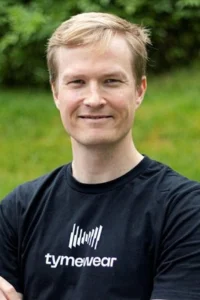 |
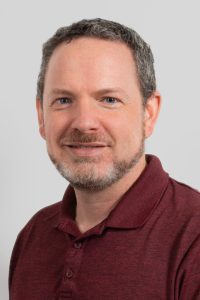
Arnar LarussonArnar Larusson is a mechanical engineer and the founder and CEO of Tymewear, maker of the VitalPro breathing and heart rate sensor now used by Team Visma Lease a Bike. His earlier work, including soft exosuit research at Harvard, and prosthetic design for Paralympians, showed him how central breathing is to assessing fitness, setting training zones, and guiding intensity. Topic covered: |
 |
Jonathan TremblayJonathan Tremblay, Ph.D., is a full professor at the School of Kinesiology and Exercise Science (EKSAP) at the University of Montreal and an affiliated researcher at the Laboratory of Exercise Physiology and Applied Bioenergetics (LPEBA) at the Montreal Heart Institute. His work focuses on exercise bioenergetics, the oxidation of energy substrates, and the modeling of endurance performance, particularly using indirect calorimetry and ¹³C isotope tracing. He collaborates with several high-performance sports groups in various disciplines and was the first scientific director of the National Institute of Sport of Quebec (INS Québec). Topic covered (with Jérémy Briand): |
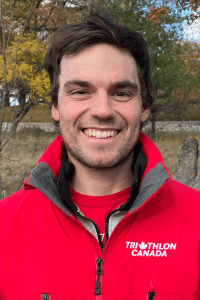 |
Jérémy BriandJérémy Briand, a sports and science enthusiast, is a former member of the national triathlon team. After obtaining his bachelor’s degree in physics from McGill University in 2019, he applied his skills in data analysis and modeling to research projects at the Institut National du Sport du Québec. These experiences sparked a genuine passion for research and led him to pursue a master’s and PhD in exercise science at the Université de Montréal. His current work focuses on modeling locomotion performance, with the goal of better understanding and identifying its bioenergetic determinants. By pinpointing these key factors, performance can be optimized through targeted interventions, such as training programs. In his free time, Jérémy remains an avid cyclist, runner, and outdoor enthusiast. Topic covered (with Jonathan Tremblay): |
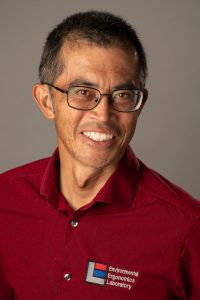 |
Stephen CheungDr. Stephen Cheung is a Distinguished Professor and Senior Research Fellow in the Department of Kinesiology and directs the Environmental Ergonomics Lab. His research ranges from the effects of heat stress on the brain’s ability to recruit muscles through to the blood flow of fingers in the cold and its effect on frostbite risk and marine survival. He has partnered with the Toronto Fire Service to improve heat exposure guidelines and recovery protocols, the Search & Rescue Secretariat to improve survival models in the North Atlantic and the Arctic, various occupational and athletic clothing manufacturers on developing more thermally efficient and comfortable clothing, and Olympic teams and World Champion athletes to optimize performance. Cheung authored Advanced Environmental Exercise Physiology, the primary graduate text in the field, along with two books on the science of cycling. Dr. Cheung obtained his M.Sc. from Simon Fraser University, his Ph.D. from the University of Toronto, and an Honours diploma from the International Space University. Cheung has a deep love for cycling, rockclimbing, snowboarding, Nordic skiing, and pretty much all forms of physical activity. Topic covered: |
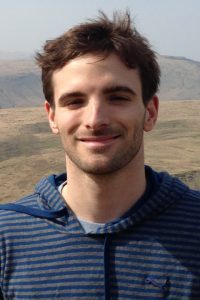 |
Markus RummelMarkus Rummel holds a PhD in Theoretical Physics and is the founder of AI Endurance, an AI-powered training platform for endurance athletes. His work focuses on how everyday workout data can be used to determine exercise thresholds, readiness to train, durability, and optimal training plans, turning consumer wearable and power-meter data into actionable physiological insight. Before founding AI Endurance, he spent years in theoretical physics research, and he now applies that modeling background to endurance sport. Topic covered: |
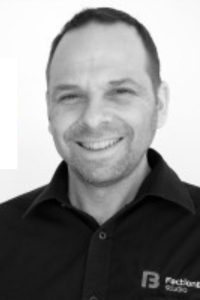 |
Erick AugerWith 36 years in the cycling industry, Erick Auger has been a central contributor to the technological evolution that shapes modern performance cycling. For the past 15 years at Faction Bike Studio, he has partnered with leading brands—ranging from emerging innovators to global OEMs—to advance product development and elevate real-world rider performance. His expertise extends to high-performance sport, having collaborated with Olympic federations on track bikes engineered purely to win, pushing beyond commercial constraints to expand the limits of what is possible. Combining deep technical knowledge with practical experience across multiple cycling disciplines, including a second-place finish at the 2009 24-Hour World Championships, he brings a rare, dual perspective to the future of cycling technology and human performance. Topic covered: |
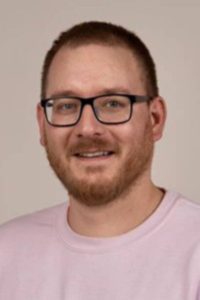 |
Benjamin PageauxBenjamin Pageaux is an Associate Professor at the School of Kinesiology and Physical Activity Sciences (EKSAP) at the University of Montreal. He is also a researcher at the Research Centre of the Montreal Geriatric Institute (CRIUGM). Topic covered: |
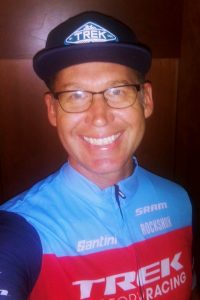 |
James SadauckasJames Sadauckas, PhD, is Principal Engineer of Vehicle Dynamics in the Trek Performance Research (TPR) group for Trek Bicycle Corporation. A lifelong bicyclist across multiple disciplines with twenty years in motorcycle development and over five studying bicycle dynamics, he has authored one engineering book and numerous scientific papers. His primary research is in vehicle handling and stability with a focus on tire characterization and modelling as well as suspension dynamics related to vehicle ride quality and performance. James studied mechanical engineering at Marquette University and earned his PhD from the University of Padua, Italy. He works remotely to support Trek product research & development as well as collaborating with Lidl-Trek and Trek-Unbroken professional racing teams. James is proud to work alongside his esteemed TPR colleagues, experts in biomechanical, experimentation, structural, aerodynamics, and ride test, to bring a foundational, science-based approach to Trek and the broader bicycle industry. TPR’s goal is to provide a conduit of knowledge between stakeholders, academic partners, and the cycling public to get more people on bikes. Topic covered: |
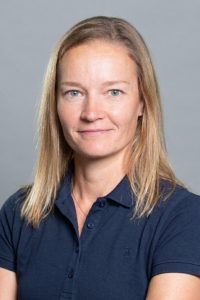 |
Hilkka KontroHilkka Kontro completed a PhD in Exercise Physiology in 2024 at the University of Calgary, where she currently works as a post-doctoral associate in Dr. Martin MacInnis’s lab. She also holds MSc degrees in Biochemistry from University of Helsinki and Exercise Physiology from University of Jyväskylä (Finland), and has also published research from her work at the University of Limerick (Ireland). Her research spans both basic and applied exercise physiology, with a particular focus on the determinants of endurance performance. Her PhD research focused on how changes in oxygen delivery affects the maximal metabolic steady state and durability. More recently, her work has centered on modeling acute cycling performance and training adaptations, including power-duration relationships, critical power, and fatigue modeling in cyclists. Topic covered: |
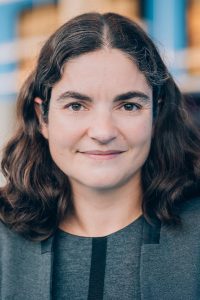 |
Delphine Périé-CurnierDelphine Perie-Curnier is a full Professor of Mechanical Engineering and Biomedical Engineering at Polytechnique Montreal since 2008. Her main research area involves understanding and quantifying the cardiac behavior under stress conditions through new imaging protocols and modeling technologies. Her most important contributions vary from image analysis, mechanical testing, and numerical modeling to clinical applications in cardiomyopathy, knee arthroplasty and scoliosis. She even took her triathlon passion, having completed thirteen Ironman races, including the Ironman World Championships in Kailua-Kona twice, and more than forty Ironman 70.3 races all around the world, so far as to incorporate it into one of her research projects on cycling positioning for highest performance. Her expertise allows her to optimize the cyclist position from both a parameterized finite element model of the cyclist for computer fluid dynamics simulation to electromyographic, biomechanical and metabolic measurements. Topic covered : |
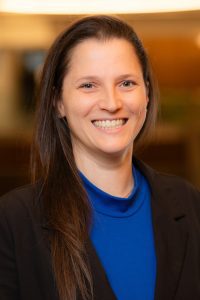 |
Pénélope Paradis-DeschênesPénélope Paradis-Deschênes is a professor at the Université du Québec à Chicoutimi and a member of the Biomechanical and Neurophysiological Research Laboratory in Neuro-Musculoskeletal Rehabilitation (Lab BioNR). She holds a PhD and a Master’s degree in Kinesiology (Université Laval). Her research focuses on the application of ischemic preconditioning in various contexts (altitude, recovery, competition, and training), exercise physiology, sex differences, and the optimization of athletic performance. Topic covered: |
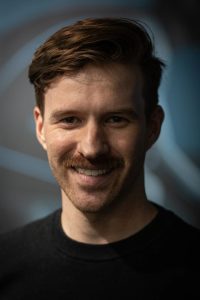 |
Jules Cusson-FradetJules Cusson-Fradet is a PhD candidate and university lecturer in sport and exercise science at Université du Québec à Trois-Rivières (UQTR). His research focuses on the longitudinal monitoring of cycling performance and the development of practical field-based assessment tools. His applied work bridges research and practice through collaborations with athletes, coaches, and sport organizations, including the Bromont National Cycling Centre, where he has contributed to the development of performance-testing protocols and automated reporting tools. He also conducts bike-fit assessments at Posivelo, a Montreal-based cycling biomechanics and performance studio, and on-track aerodynamic testing at the Bromont velodrome. Topic covered: |
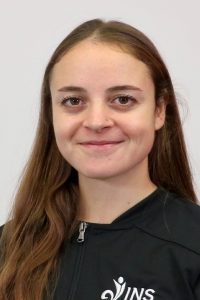 |
Veronica FurnoVeronica Furno is a PhD student in biological sciences and holder of a master’s in exercise science, Veronica joined the Quebec National Institute of Sport in 2020. She’s interested in optimizing athletes’ training and is looking to develop new methods to enhance physiological responses to exercise. Currently, she works with the para-swimming and short-track speed skating teams as an exercise physiologist and researcher. Veronica has also been part of the teaching staff for the kinesiology undergraduate programs at UQAM and Concordia University. Topic covered: |
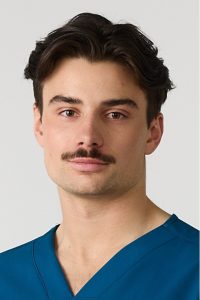 |
Antoine GroleauAntoine Groleau is an undergraduate nursing student and research assistant at the University of Sherbrooke. His research interests include pain and endurance sport, with a particular focus on the biopsychosocial factors involved in pain experience and management among endurance athletes. He is currently contributing to an ongoing scoping review on this topic. Topic covered (with Maelli Fernandez-Gendron): |
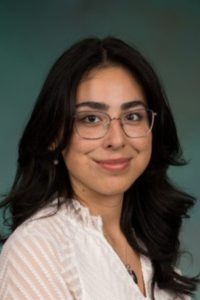 |
Maëlli Fernandez-GendronMaëlli Fernandez-Gendron is an emergency nurse with a master’s degree and a growing research interest in pain science in sport. Her clinical experience and involvement in research have shaped her interest in pain modulation, with a particular focus on endurance athletes. She is preparing to begin doctoral studies to further develop this line of research. Topic covered (avec Antoine Groleau): |
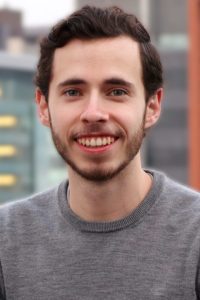 |
Anthony DumaisAnthony Dumais is a master’s student in biomedical sciences at the University of Montreal, supervised by Prof. Daniel Gagnon at the Montreal Heart Institute. His work focuses on human physiology, especially physiological responses to heat, with a particular interest in analyzing biomedical data. He also has training in kinesiology, psychology, and computer science. Topic covered: |
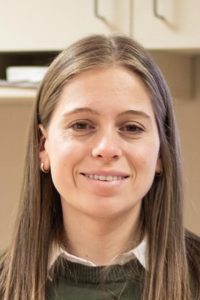 |
Laura Girard-CôtéLaura Girard-Cote is a physiotherapist and PhD candidate in biology at the Université du Québec à Chicoutimi. She divides her time between clinical practice in physiotherapy and research. Following a master’s degree in Clinical and Biomedical Sciences focused on the effects of strength training in women with myotonic dystrophy type 1, she is now pursuing her doctoral research under the supervision of Pénélope Paradis-Deschênes and Marie-Claude Sincennes. Her doctoral project explores the effects of the menstrual cycle and ischemic preconditioning on sports performance, while allowing her to further develop her knowledge of female physiology. Topic covered: |
Five major themes will be explored during this day.
- Artificial intelligence and data management and modeling
AI applications for performance modeling and analysis.
- Innovations in training strategies and individual adaptations
New approaches to optimize athlete preparation.
- Physiological resilience and sustainability
Studies on adaptability and injury prevention.
- Interval training
Advanced methods for improving power and endurance.
- Developments in aerodynamics
Technologies and research to maximize speed and efficiency.
Call for abstracts
Take advantage of our special rates based on your registration category:
- Regular: $350 CAD + taxes
- Student: $150 CAD + taxes
What’s included:
✔ Access to all conferences, panels, and workshops
✔ Lunch and coffee breaks
✔ Closing cocktail reception
Where to sleep?
TheHôtel Château-Bromont is the official hotel partner of the Symposium. During the event, purchasing a ticket entitles you to a special rate for a stay at the Hôtel Château-Bromont.
Ours partners